It is estimated that today, roughly one third of all healthcare spending is wasteful, providing no benefit to patients -- and that wasted money amounts to a humbling $1 Trillion. Further, studies show that hospitals waste $12 Billion per year on poor communication.
With increasing numbers of big name hospitals reporting decreases in operating margins, this is an alarming trend. But where is all of this money going?
According to a recent Forbes article, a few of the biggest culprits of the dismal state of hospital financial health are: "purchasing redundant, expensive medical equipment ... and ... tolerating massive inefficiencies in care delivery (see 'the weekend effect')."
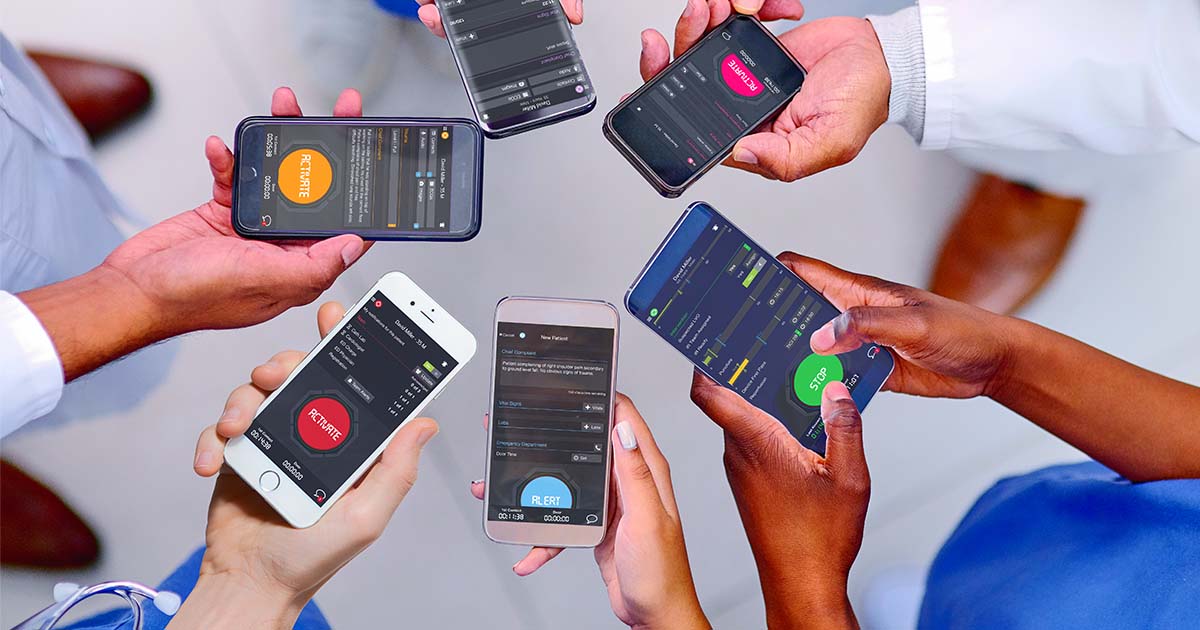
But the savviest health systems in the country are addressing these issues head-on. Rather than spending millions of dollars on propriety hardware that only sometimes does what it's supposed to, and which has to be serviced by a trained team (subject to availability), and which carries a burdensome IT footprint, these facilities are moving in the direction every other industry has already gone -- toward mobile.
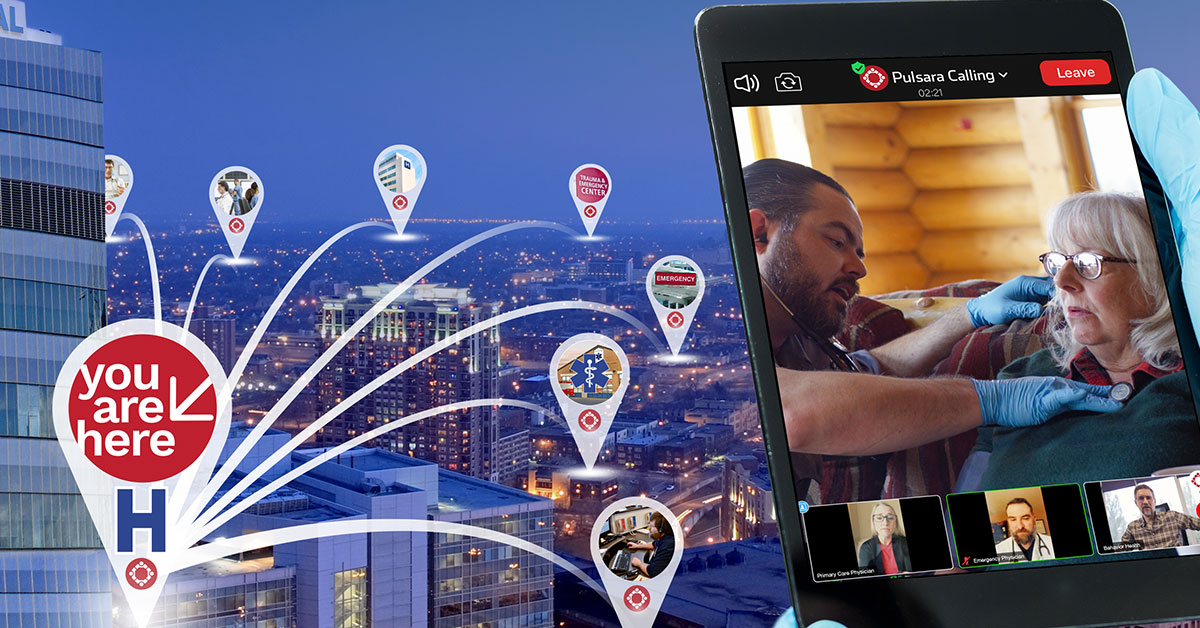
HIPAA compliant mobile communication platforms, which run on devices clinicians already carry around AND intuitively know how to use, reduce the need for those expensive machines that are anchored to a specific corner of the hospital. That means communication can happen the instant it's needed, from wherever the care team happens to be at that moment. And even better, platforms that cross all healthcare entities (including EMS, ED staff, care coordinators, specialists, and other clinicians within a hospital, as well as at other hospitals in the region) are massively reducing those inefficiencies in care delivery, reducing treatment time outcomes for patients.
It's about time. It's about people.
 Hannah Ostrem
 Audrey Peart: Sep 30, 2026