 Team Pulsara
Pulsara Around the World - October 2026
 Audrey Peart: Sep 30, 2026
September Recap After a light summer, our events schedule is ramping back up for the final months of 2026. With 10 shows under our belt this month...

Editor's Note: In July 2025, EMS1 and Fitch & Associates released their annual EMS trend survey, What Paramedics Want, proudly sponsored by Pulsara. Because the articles and advice found within contain such critical subject matter, we've elected to publish each segment one at a time here on our blog. Read, enjoy, share, and take to heart the following information brought to you by the most prestigious thought leaders in EMS. Today's entry is written by Fitch & Associates senior associate, Fred W. Wurster III.
_____
Staffing shortages, weak feedback loops and outdated incentives are driving talent away. Stay interviews and engagement plans could be the solution.
For several years, recruitment and retention have dominated respondents’ top concerns in the “What Paramedics Want” EMS Trend Survey. While in the 2025 survey, the newly added choice — provider burnout — surpassed retention as the most pressing EMS concern, as respondents’ comments and responses illustrate, staffing and burnout go hand in hand.
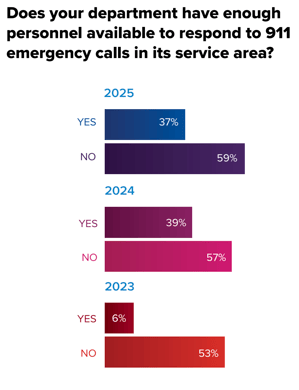 Survey respondents and EMS providers nationwide, in conversation and in social media discussions, frequently reference burnout, whether personally experienced or observed among colleagues. This widespread issue, compounded by similar trends in the broader healthcare system, underscores the fragility of human capital within EMS agencies and healthcare as a whole.
A 2019 Forbes article titled, “Burnout is sabotaging employee retention: Three things you must know to help”, reported that 46% of HR leaders surveyed attributed 20-50% of annual workforce turnover to burnout. The impact of burnout on workforce stability is significant. EMS leaders routinely witness its effects through communication and emotional intelligence challenges, making it one of the most critical issues facing the profession today. Addressing burnout effectively requires a balance of vulnerability and confidence in leadership, fostering an environment where employees feel supported and inspired.
Losing top performers and potential mentors to burnout creates a vicious cycle: when new employees encounter a work culture characterized by burnout, they are more likely to leave quickly rather than invest in their roles and relationships. Implementing stay interviews as a proactive retention tactic can help break this cycle. Despite extensive research supporting regular feedback, many EMS organizations still rely solely on annual performance reviews.
However, the nature of EMS — its distributed workforce and rotating schedules — makes annual reviews particularly challenging. Regular, ongoing feedback fosters stronger relationships between employees and supervisors, increasing transparency and trust. To enhance employee engagement, performance and retention, EMS organizations must transition to a continuous feedback model. Leaders should assess how frequently supervisors interact with employees and provide performance-related support. Increased engagement from frontline leadership correlates with lower turnover rates. While annual performance reviews need not be eliminated entirely, they should evolve into more meaningful discussions that build on a foundation of regular feedback and strengthened relationships.
Additionally, EMS organizations must empower employees by involving them in workplace governance, fostering a sense of ownership in their roles. Hospitals designated as Magnet institutions by the American Nurses Credentialing Center implement shared governance models, which engage employees in policy development and clinical care decisions. Mechanisms such as nursing councils and clinical career ladders allow staff to actively shape their work environment.
EMS organizations should consider adopting similar approaches, creating opportunities for employees to contribute to decision-making and problem-solving within their departments. By prioritizing ongoing feedback, strengthening leadership-employee relationships and fostering shared governance, EMS organizations can mitigate burnout; improve retention; and cultivate a healthier, more sustainable workforce.
The successful implementation of stay interviews can act as a litmus test for organizations to determine retention strategies. Stay interviews can identify trends, behaviors and problems that hinder employee engagement.
The driving forces behind successful stay interviews are open communication, direct feedback and relationships.
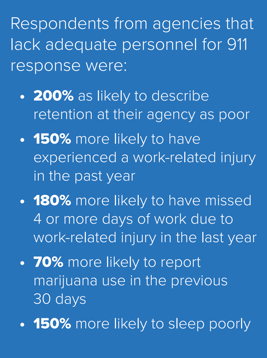
Developing an action plan after conducting the stay interviews is as important as actually conducting the interviews themselves. Conducting interviews without synthesizing the data is a waste of valuable time and money.
An employee engagement plan should:
Retention plans work best when customized to individual members, if possible. If the organization is not able to customize a retention plan, grouping commonly themed member concerns together will help to ensure that each member feels as though their concerns were heard.
Building an environment that is safe, fair and equitable for all to work in is paramount to organizational success and sustainability. EMS organizations must invest in their current personnel in a way they may have never thought of before.
With today’s generational diversity, giving someone off for a holiday or paying them overtime pay to help cover an open shift are outdated solutions.
Today’s generations desire to be more engaged, more understood and more involved in designing and driving their work experiences. Stay interviewing allows organizations to create an atmosphere that allows for collaboration.
Similarly, EMS organizations must move away from the use of sign-on or attraction incentives and transition that money to focus on retention of its current staff. Sign-on bonuses create a feeling of resentment among the current staff who have pushed through hard and trying times. Investing in the staying power of keeping employees and members is far more valuable than enticing eligible workers to come to an organization. Let the power of an experienced, veteran team sharing their positive experiences be free advertising for recruitment.
Download the full digital edition: What Paramedics Want 2025
Fred W. Wurster is a senior associate, Fitch & Associates, with nearly 30 years career and volunteer fire and EMS experience, and over 20 years of experience in progressive leadership roles in emergency services organizations. He most recently served as EMS Chief for a seven-hospital health system in southeastern Pennsylvania.

For EMS teams, effective use of communication tools is critical. When everyone is on the same easy-to-use platform, caregivers can collaborate across organizations and save vital minutes when they matter most. To learn more, check out 10 Ways Pulsara Helps During Time-Sensitive Emergencies.
 Audrey Peart: Sep 30, 2026
September Recap After a light summer, our events schedule is ramping back up for the final months of 2026. With 10 shows under our belt this month...
 Audrey Peart: Jul 30, 2026
July Recap Supporting Medical Response with Connected CommunicationBetween World Cup matches and fan events, fire/EMS, hospital, and emergency...