 Hannah Ostrem

Pulsara Around the World - September 2026
 Audrey Peart: Aug 26, 2026
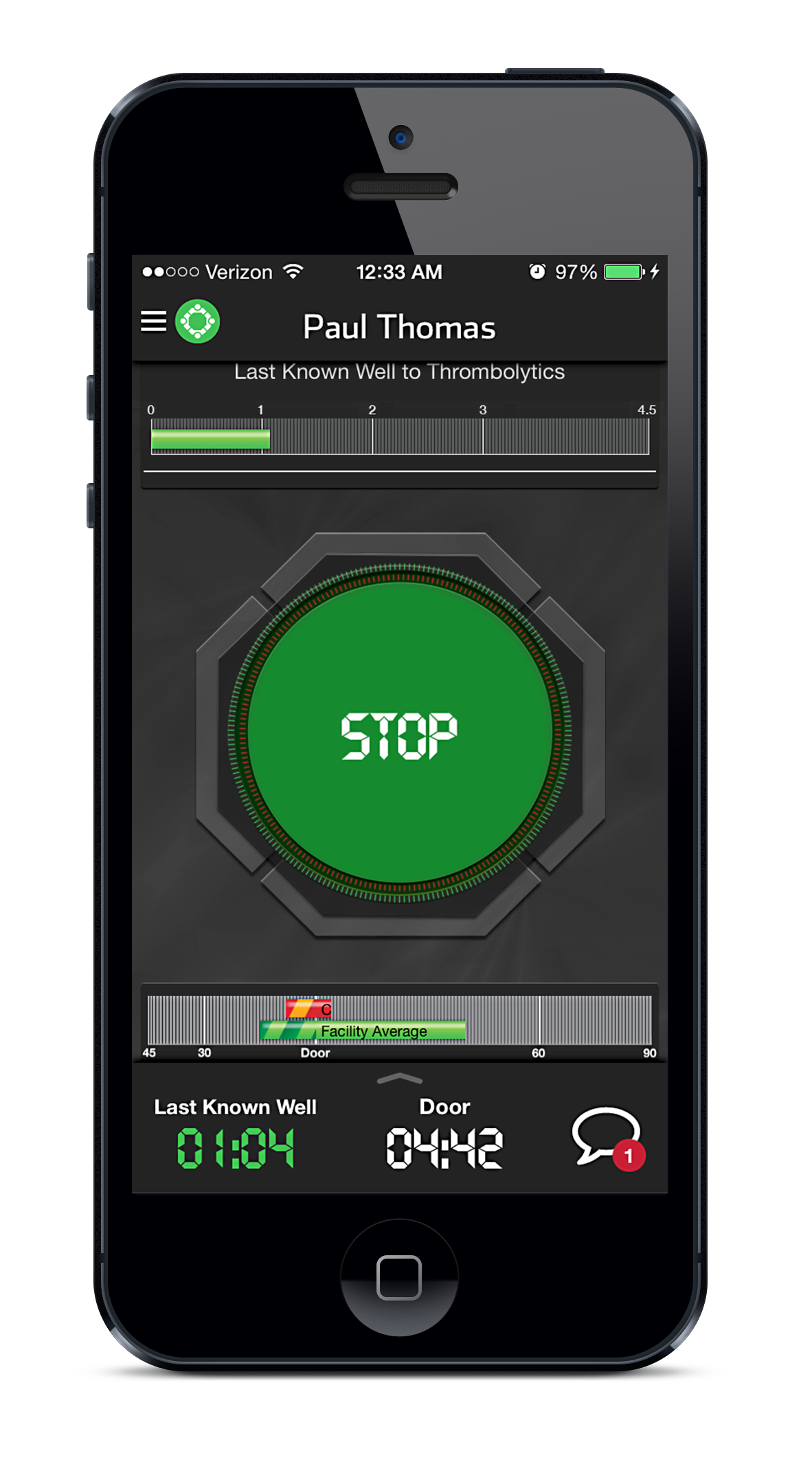
According to a publication in JAMA Neurology on May 4th, patients who suffer a stroke while already in the hospital for other conditions, wait significantly longer to get treatment than those for whom stroke symptoms  present while outside of the hospital.
The researchers in this recent study examined 29,810 patients with stroke or transient ischemic attack at 11 regional stroke centers in Ontario over a nine year period. They found that the 973 patients who experienced in-hospital strokes had a median time from symptom indentification to neuroimaging of 4.5 hours. This is compared to 1.2 hours for patients who had a stroke outside of the hospital. Furthermore, within 90 minutes of stroke diagnosis, only 29 percent of the in-patient group had recieved thrombloysis, compared to 72 percent of the out-of-hospital stroke group.
It is no wonder then, that members of the in-patient stroke group were more likely to experience a more severe stroke, present with greater disability levels after the stroke, and have longer stays in the hospital. So what can be done? The researchers advocate for developing standardized stroke protocols for in-hospital patients, saying "These results add to the growing body of evidence in favor of the development of a standardized approach to the recognition and management of in-hospital stroke."
Click the button below to see how Pulsara can coordinate in-hospital stroke care and help your facility save precious tissue.

 Audrey Peart: Jul 30, 2026
July Recap Supporting Medical Response with Connected CommunicationBetween World Cup matches and fan events, fire/EMS, hospital, and emergency...

 Team Pulsara: Jul 09, 2026
With record-breaking crowds filling stadiums across North America, the 2026 FIFA World Cup is proving to be one of the largest sporting events in...