Pulsara Intelligence: The Groundbreaking New Feature Optimizing Emergency Care
In fast-paced clinical settings, manual documentation often competes with vital communication and hands-on patient care. When Pulsara added automated...
1 min read
Team Pulsara
:
Jun 08, 2018
"On average, the researchers found hospitals could share 4.6 types of information within the same organization and 2.7 types of information between different organizations."
This quote is from a recent study in Becker's Hospital Review, and we see evidence of it every day. Organizations prioritize addressing intra-organization communication and data exchange over inter-organization communication and data exchange.
There are many reasons for this, and all are not self serving.
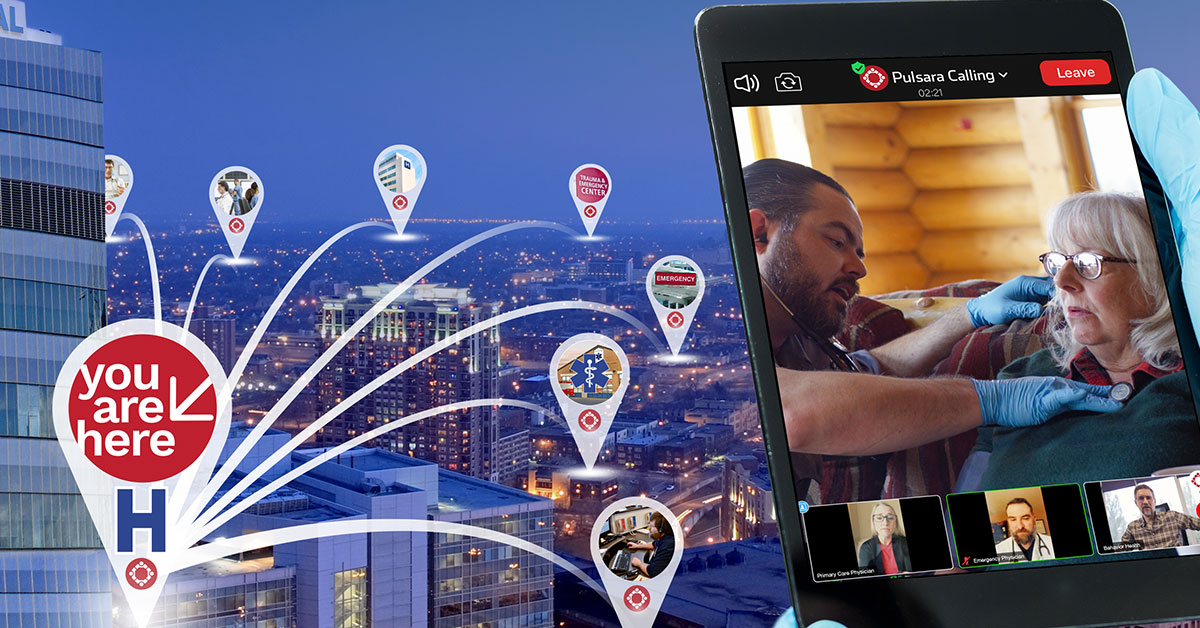
But care providers in different organizations need a regional communication network for real time team communication and collaboration. Of the 400,000 deaths due to miscommunication each year, 80% are due to medical errors during transitions of care. And, those risks increase for transfers between hospitals.
For example, a recent study found that stroke patients who needed to be transferred waited an average of 46 to 133 minutes before beginning treatment at the transfer facility. When 2 million neurons die each minute a patient is having a stroke, we need a better way to communicate and exchange data between facilities to speed up treatment times.
The good news is this is possible now. We need to make it a priority. It's about people.
In fast-paced clinical settings, manual documentation often competes with vital communication and hands-on patient care. When Pulsara added automated...
April & May Recap A Decade of Proven ResultsOver the last decade, 20 third-party, peer-reviewed research studies have demonstrated Pulsara's clear...
National EMS Week continues today with EMS Recognition Day, a time to honor the paramedics, EMTs, dispatchers, and emergency medical professionals...