 James Woodson, MD

Pulsara Around the World - September 2026
 Audrey Peart: Aug 26, 2026
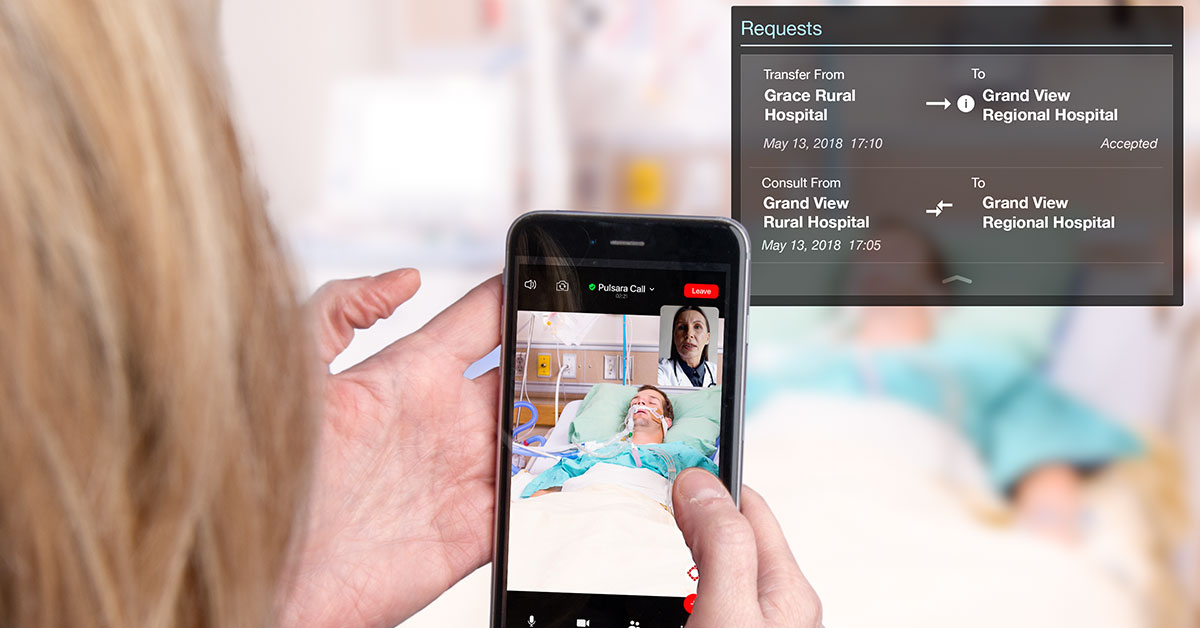
According to a recent preliminary study detailed by HealthDay News, it is still all too common for stroke victims to experience delays in getting transferred from regional hospitals to comprehensive stroke centers. Over the course of one year, the study examined 70 patients who had been taken to "hospitals not equipped to handle all levels of stroke" and later had to be transferred to "major stroke centers."
The time it took to complete the transfers alone ranged from 46 to 133 minutes - times that, even at the shorter end, were longer than it would have taken to drive the patient to the comprehensive centers in the first place.
Considering that 2 million neurons die every minute while a patient is having a stroke, this wasted time is simply unacceptable. Knowing which comprehensive centers are nearby and ready for the patient could help EMS agencies eliminate wasted time for the patient. Further, having a streamlined communication system would allow hospitals to coordinate the transfer more quickly, saving time and tissue for patients.
According to the study's author, Dr. Michael Froehler, neurointerventionalist at the Cerebrovascular Program at Vanderbilt University Medical Center, "Within the broader stroke community, we've definitely made progress in our systems of care that ensure an increasing number of patients receive treatment as quickly as possible. But we need to do more."
What is your EMS agency or hospital facility doing to ensure your patient is at the right place at the right time?

 Audrey Peart: Jul 30, 2026
July Recap Supporting Medical Response with Connected CommunicationBetween World Cup matches and fan events, fire/EMS, hospital, and emergency...

 Team Pulsara: Jul 09, 2026
With record-breaking crowds filling stadiums across North America, the 2026 FIFA World Cup is proving to be one of the largest sporting events in...