 Hannah Ostrem
Pulsara Around the World - October 2026
 Audrey Peart: Sep 30, 2026
September Recap After a light summer, our events schedule is ramping back up for the final months of 2026. With 10 shows under our belt this month...

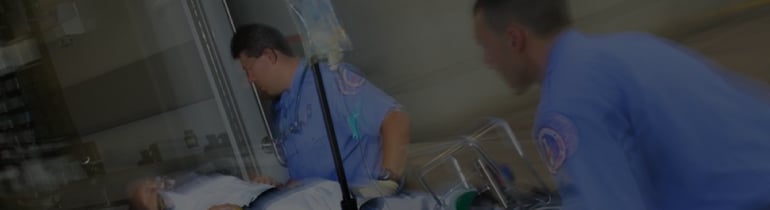
We all know that when it comes to time sensitive emergencies, like stroke or STEMI, time is tissue. As such, it should come as no surprise that a recent study performed by the University of California-San Francisco and the National Bureau of Economic has found that among 30,000 heart attack patients, those who were transported by ambulances that were diverted from busy ERs to other, further away hospitals, were 10 percent more likely to be dead one year later.
This study also found that patients who were diverted to further hospitals were often taken to emergency rooms with less advanced cardiac technology and training resources. The result? These patients were less likely to receive the most appropriate treatments needed - such as angioplasty - to restore blood flow.
Though some facilities view such diversions as a crucial crowd management solution for ERs at capacity, emergency care experts see the tactic as simply pushing the crowding problem on to other facilities.
As University of California-San Francisco researcher Dr. Renee Hsia said, “We tend to think that it’s only people who aren’t that sick who don’t get treated quickly in emergency rooms. Diversions affect patients who are really sick, too.”
Diversions of ambulances to further away hospitals waste resources, time, and patient tissue.
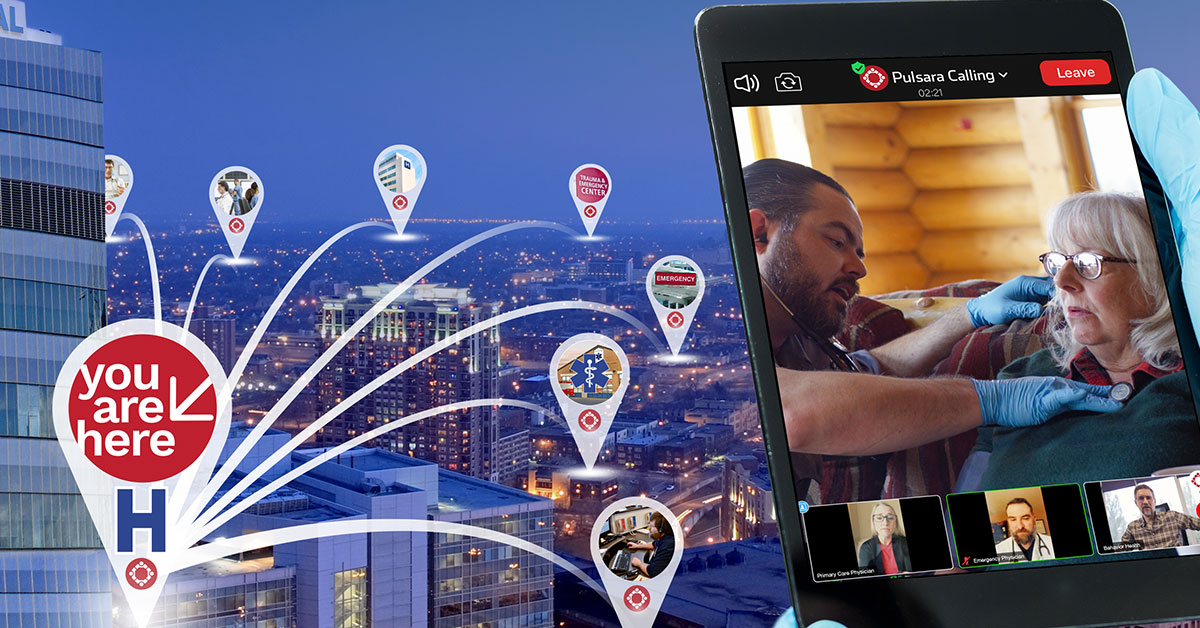
But what if EMTs could see all hospitals in range of them and decide based on proximity and specialization which facility to take their patient to? What if they could then alert that hospital and tell them EXACTLY what time they will be there and what the patient's stats are from the field? What if they could transmit the ECG to the hospital so they could decide whether to activate the cath lab before the patient even arrives?
With Pulsara, every patient is taken to the RIGHT facility with the RIGHT resources in the RIGHT amount of time.
Read more about the study here.

 Audrey Peart: Sep 30, 2026
September Recap After a light summer, our events schedule is ramping back up for the final months of 2026. With 10 shows under our belt this month...
 Audrey Peart: Jul 30, 2026
July Recap Supporting Medical Response with Connected CommunicationBetween World Cup matches and fan events, fire/EMS, hospital, and emergency...