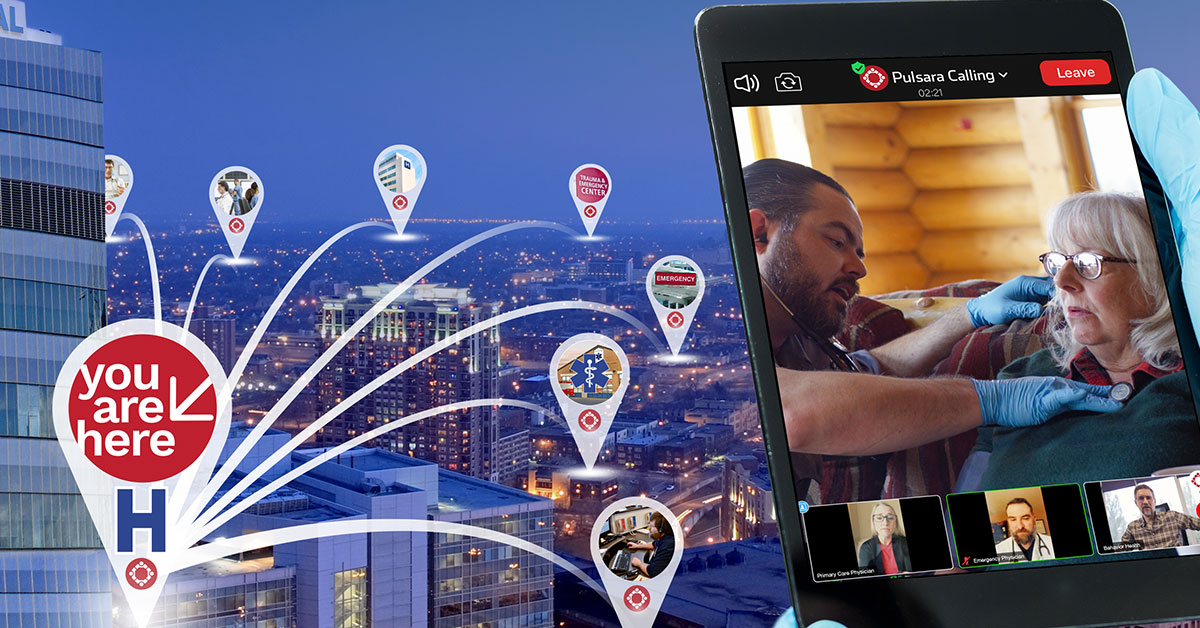
 Team Pulsara
Pulsara Around the World - October 2026
 Audrey Peart: Sep 30, 2026
September Recap After a light summer, our events schedule is ramping back up for the final months of 2026. With 10 shows under our belt this month...
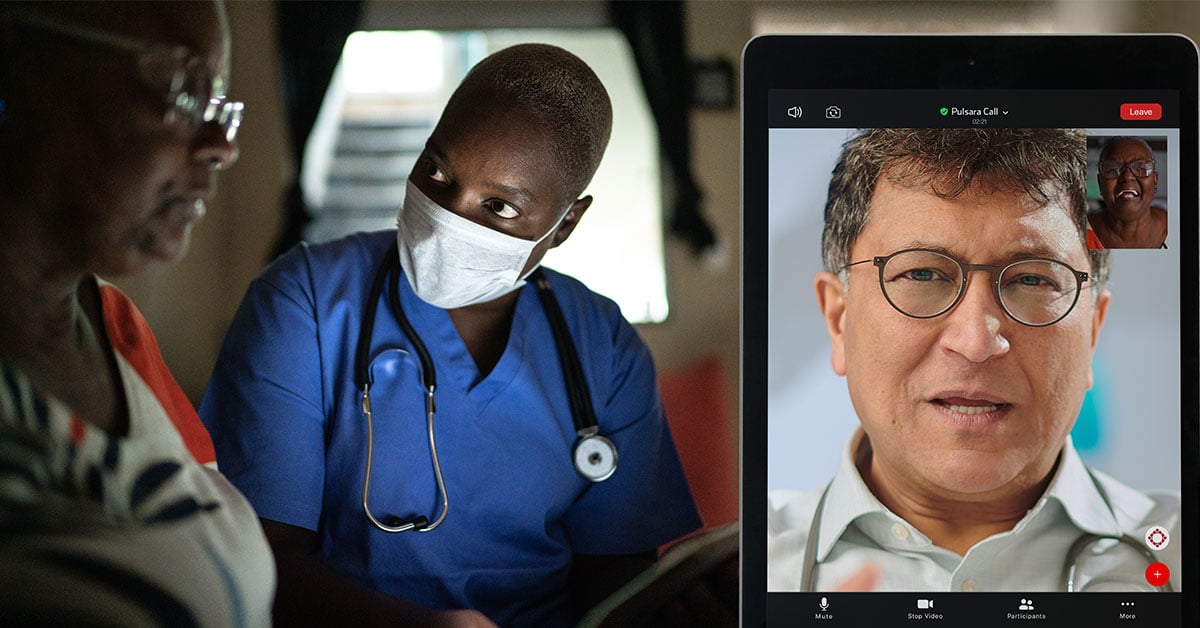
Recent research shows how Pulsara was successfully leveraged to connect more than 6,000 COVID-19 patients to monoclonal antibody infusion centers via telemedicine referrals—nearly 30% of whom lived in medically underserved areas.
The 2025 study by Fairley et al., published in the journal Telemedicine and e-Health, examined how the HIPAA-compliant telemedicine and communication platform Pulsara enabled regional health organizations to virtually screen patients and coordinate referrals during the COVID-19 pandemic.
Monoclonal antibody therapy played a key role in treating high-risk patients with mild to moderate COVID-19 symptoms, helping prevent disease progression and hospitalization. To avoid overwhelming emergency departments, Regional Infusion Centers (RICs) were established to deliver the treatment. However, access challenges remained—particularly for patients in rural and medically underserved communities.
To address these barriers, a dedicated medical team implemented a telemedicine-based referral workflow using Pulsara. Providers remotely evaluated patients, determined eligibility for treatment, and coordinated referrals to RICs across the state.
The researchers analyzed anonymized demographic data from patients referred to RICs through Pulsara. Medically underserved populations were identified using the Uniform Data System mapper, a health data tool from the Health Resources and Services Administration.
The results highlight Pulsara’s impact at scale:
In the second half of the program, 36 providers screened over 3,500 patients—with over half of them receiving treatment at an RIC afterward. These findings demonstrate how telemedicine-enabled referral workflows can efficiently connect patients to time-sensitive care.
The authors concluded that using Pulsara for telehealth referrals successfully decentralized monoclonal antibody therapy from emergency departments to regional infusion centers, easing hospital strain while maintaining timely access to care. Importantly, the program reached a substantial number of patients living in medically underserved areas, highlighting the impact of a unified communication platform during public health emergencies.
While monoclonal antibody therapy was specific to the COVID-19 response, the study highlights a broader impact: secure, real-time communication and virtual care coordination are critical to delivering efficient, equitable care—especially during large-scale crises.
Read the full abstract on PubMed
When everyone is on the same easy-to-use platform, caregivers can collaborate across organizations and save vital minutes when they matter most. To learn more, check out 10 Ways Pulsara Helps During Time-Sensitive Emergencies.
 Audrey Peart: Sep 30, 2026
September Recap After a light summer, our events schedule is ramping back up for the final months of 2026. With 10 shows under our belt this month...
 Audrey Peart: Jul 30, 2026
July Recap Supporting Medical Response with Connected CommunicationBetween World Cup matches and fan events, fire/EMS, hospital, and emergency...