 Team Pulsara
Pulsara Around the World - October 2026
 Audrey Peart: Sep 30, 2026
September Recap After a light summer, our events schedule is ramping back up for the final months of 2026. With 10 shows under our belt this month...

Editor's Note: In July 2025, EMS1 and Fitch & Associates released their annual EMS trend survey, What Paramedics Want, proudly sponsored by Pulsara. Because the articles and advice found within contain such critical subject matter, we've elected to publish each segment one at a time here on our blog. Read, enjoy, share, and take to heart the following information brought to you by the most prestigious thought leaders in EMS. Today's entry is written by Carly Strong, chief operating officer, SEMSA/Riggs Ambulance Service.
_____
Break the one-size-fits-all approach and build trust through personalized, people-first communication.
Throughout my life, I’ve often heard the phrase, “Communication is key.” It wasn’t until I began moving into supervisory and management roles in EMS that I truly understood just how powerful—and complex—that key can be.
As a leader, I’ve always believed in the importance of clear communication and transparency. I did what many well-intentioned leaders do: I sent detailed emails, hosted town halls and addressed staff during our quarterly mandatory meetings. In my mind, I was checking the boxes: communicate early, often and thoroughly.
But despite these efforts, I started hearing something that caught me off guard—employees felt like they weren’t being informed.
This feedback made me pause and reflect: If I was doing all the “right” things, why weren’t they landing?
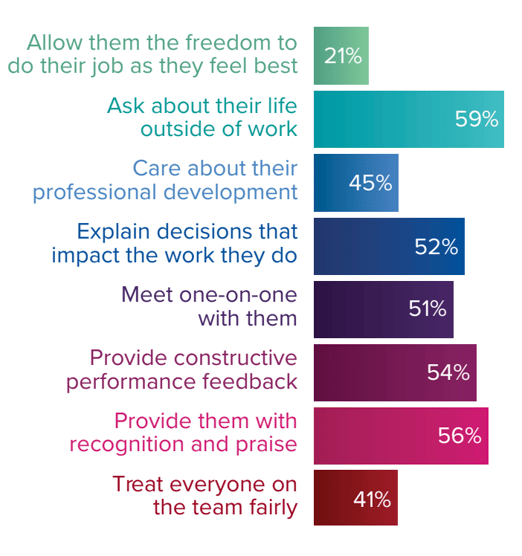
Respondents report their supervisors rarely or never:
What I came to realize is that while I was communicating, I wasn’t always connecting. We often assume that just because we’ve sent the message, it’s been received and understood.
But not all humans absorb information in the same way. Some prefer reading, others are visual learners, and many respond best to in-person conversations. If we stick to just one method—or just one messenger—we risk leaving parts of our team behind.
When I started asking employees how they preferred to receive updates, it became clear: we needed to diversify not just the how, but also the who behind our communications.
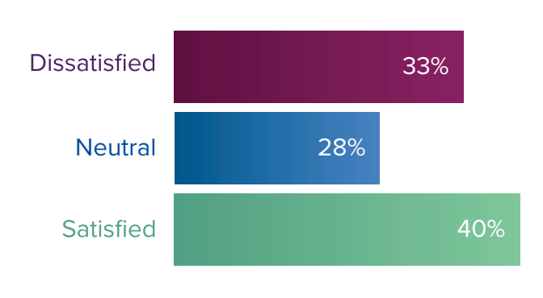
Rank how satisfied you are with each of the following at your current agency:
One of the most overlooked assets in communication is your leadership team itself.
Every supervisor, manager or team lead brings a different personality, style and approach to communication. That’s a strength; not a challenge.
Involving a variety of voices across departments helps create more touchpoints with staff and more opportunities for the message to resonate. It also reinforces unity. When your billing supervisor, field ops manager or HR rep are all echoing the same message—each in their own way—it signals that communication isn’t siloed. It’s organization-wide.
And sometimes, the unexpected messenger is the most effective one. For example, our community relations manager might not seem like the go-to person to remind crews to clean up after themselves at the hospital, but his upbeat, creative style always grabs attention. He makes even the less exciting reminders feel worth reading. That kind of personality and creativity can make all the difference in message retention.
My agency leadership recognizes the stressors faced by staff:
With employees spread across two states and three different geographic locations, senior leadership knew that staying connected and fostering engagement wouldn’t be without its challenges. To bridge that gap and ensure every voice was heard, we launched an employee engagement survey. But we didn’t stop there, because listening is only the first step.
To show our teams that their feedback truly mattered, our leadership team set aggressive internal deadlines to review the survey results and identify the top five priorities raised by employees. We moved quickly to implement changes where we could and developed a clear action plan for the rest, and then communicated that plan back to our teams.
To keep the tone approachable and engaging, we shared survey updates in small, fun bursts through our employee app. These bite-sized messages made it easier to digest the information while keeping the conversation going in a light, positive way. It wasn’t just about checking a box; it was about showing our people that they were heard, and that their input drives real change.
As often as possible, we need to get out there and talk with our employees, especially when there are changes to their workflow or routines. This isn’t just about delivering updates; it’s about connection. Be relatable. Think back to a time when you were faced with a change that felt uncomfortable or unclear: share that. Opening up helps break down the invisible wall between “us” and “them.” It shows that you’re not just a supervisor; you’re someone who understands the challenges they’re navigating. And most importantly, show team members they’re not alone. Reinforce the idea that they have a whole team supporting them, and that it’s OK to ask questions or share concerns. Encouraging two-way communication not only eases the transition; it builds trust and strengthens your culture.
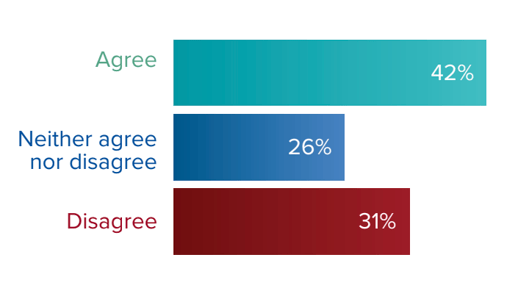
When I approach my supervisor with a problem, I trust they will listen:
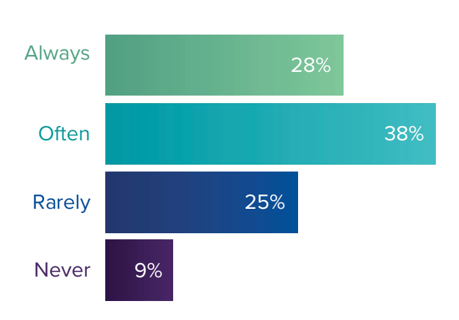
We won’t always have the luxury of a face-to-face conversation. But there are ways to enhance how we communicate that don’t take more time — just more intentionality.
Here are a few simple, yet powerful strategies to improve internal communication and team engagement:
Just like we deploy the right resource to the right patient in EMS, we should apply the same approach with our teams.
Communication doesn’t have to fall solely on one manager or one department. Let’s use our full bench of leadership to engage, inform and support our employees in meaningful ways.
The result? A workforce that feels seen, heard and informed—not just talked to.
Download the full digital edition: What Paramedics Want 2025
Carly Strong is the chief operating officer for SEMSA/Riggs Ambulance Service in Merced, California. Earlier in her career, Strong served as a firefighter-EMT in the U.S. Forest Service while earning her paramedic certification. After being hired by Riggs, she transitioned to the agency’s tactical EMS program, where she spent 10 years as the team leader before moving into administration.
For EMS teams, effective use of communication tools is critical. When everyone is on the same easy-to-use platform, caregivers can collaborate across organizations and save vital minutes when they matter most. To learn more, check out 10 Ways Pulsara Helps During Time-Sensitive Emergencies.
 Audrey Peart: Sep 30, 2026
September Recap After a light summer, our events schedule is ramping back up for the final months of 2026. With 10 shows under our belt this month...
 Audrey Peart: Jul 30, 2026
July Recap Supporting Medical Response with Connected CommunicationBetween World Cup matches and fan events, fire/EMS, hospital, and emergency...