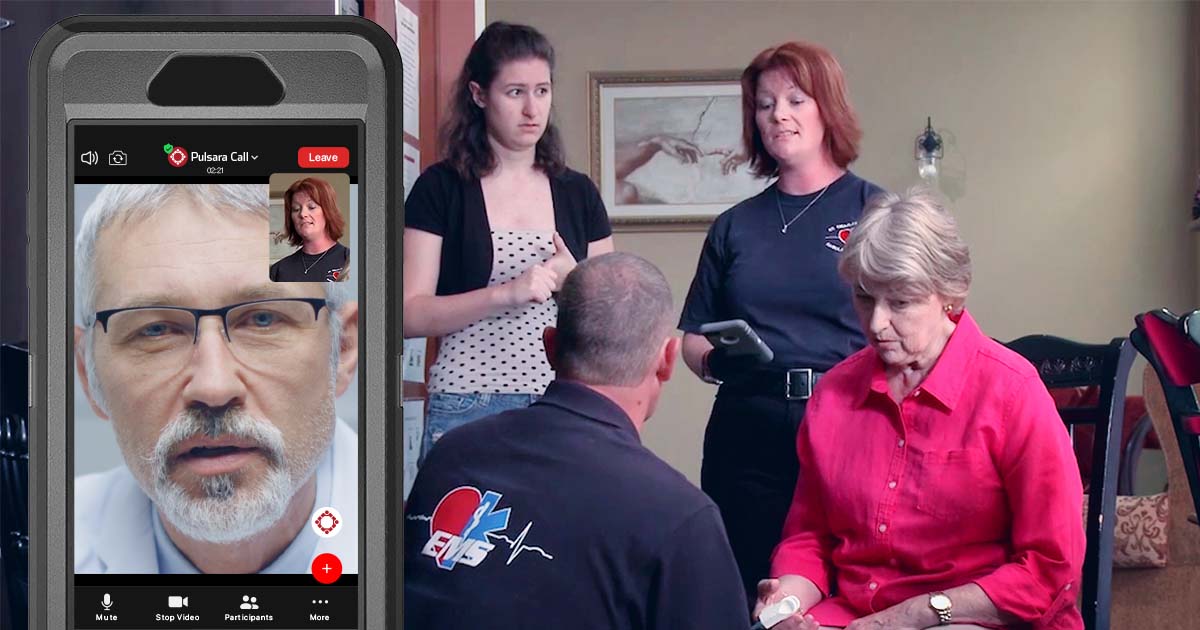
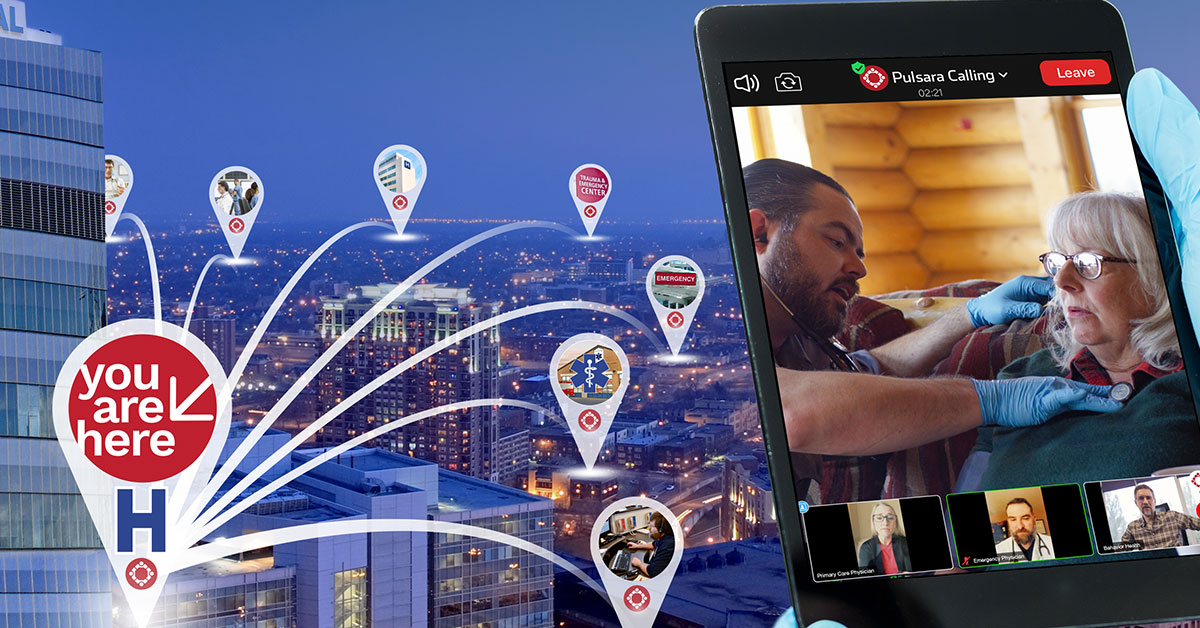
Many clinicians today find themselves splitting their time between clinical practice and resident education, which can make scheduling appointments with patients challenging. To mitigate some of the difficulty, some are turning to telemedicine to do everything from initial consults to sending results and answering patient questions.
In fact, some health care systems are already offering e-visits where a patient can have the entire appointment with a provider electronically and in real time, so they never have to set foot in a physical doctor's office.
Dr. Kara Frame, a Family Physician, recently explained in an article published on KevinMD's blog that while she thinks telemedicine is here to stay, and she uses it frequently, she also has concerns about using it exclusively. Some of her hesitencies include reduced personal relationships with patients, no best-practice for how much content to cover in electronic visits (and what needs to be done in person), and the creation of the sense that since patients can always get in touch with their doctors, providers may potentially never be truly "off-duty."
Dr. Frame writes that telemedicine is an important tool and helps her provide excellent patient care, but stresses that focusing on improving population health, increasing patient satisfaction, reducing spending, and improving care providers' well-being must serve to create a guide for practicing in the new era of telemedicine.
What are your thoughts and concerns about conducting patient visits electronically? Let us know in the comments below!
Read Dr. Frame's full article right here.
 Hannah Ostrem
 Audrey Peart: Sep 30, 2026