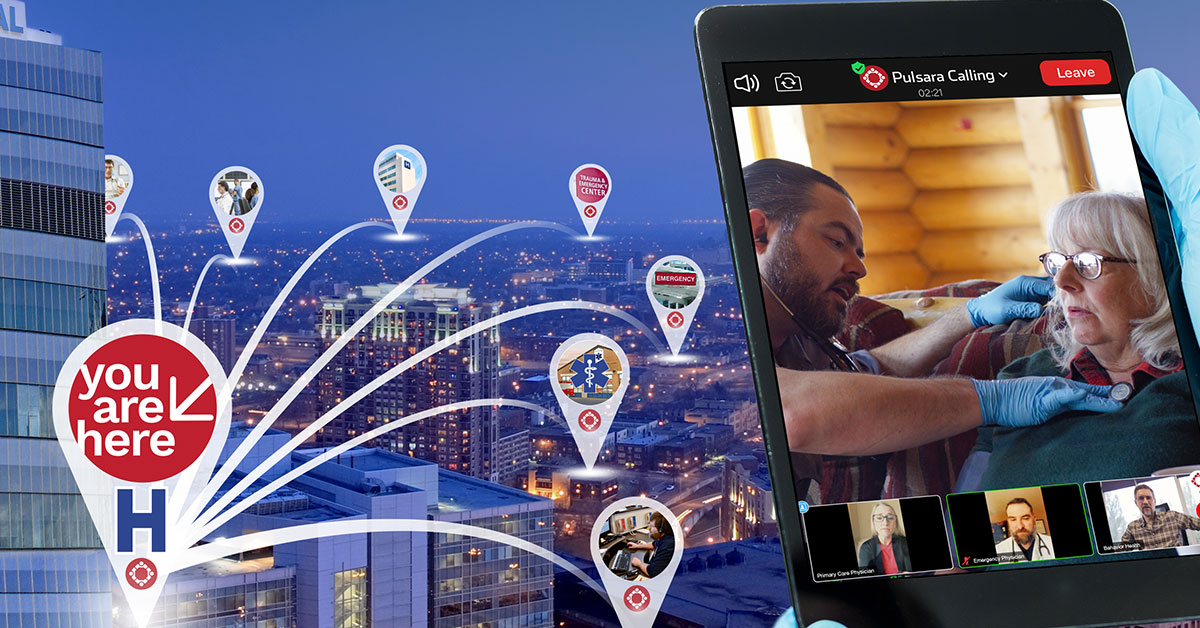
 Team Pulsara
Pulsara Around the World - October 2026
 Audrey Peart: Sep 30, 2026
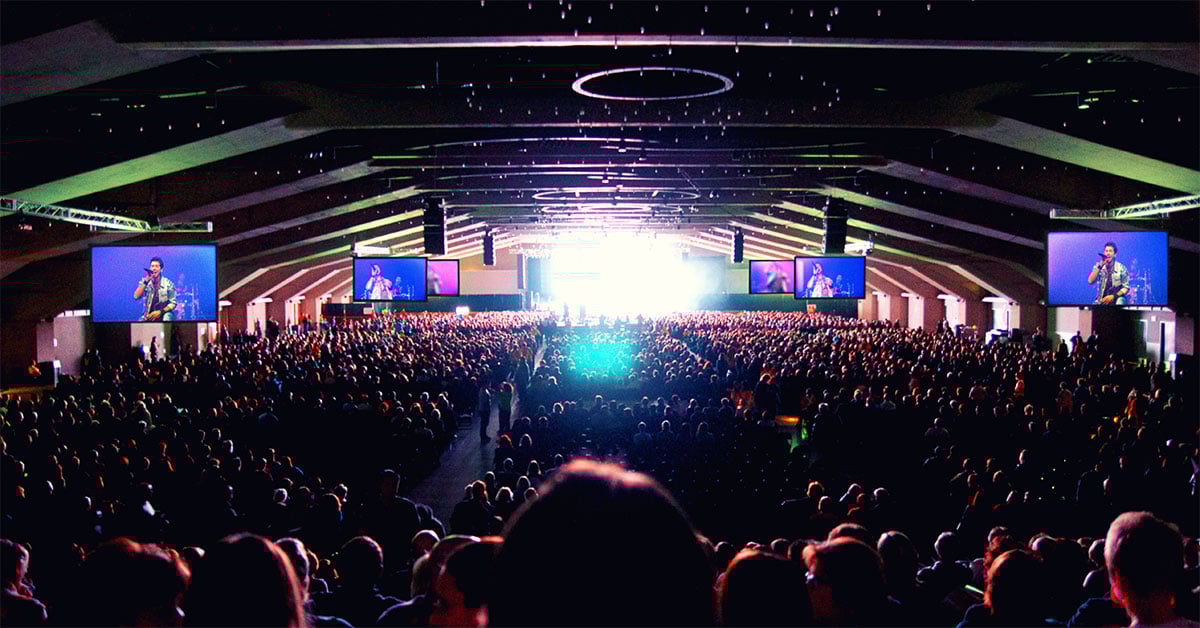
September Recap After a light summer, our events schedule is ramping back up for the final months of 2026. With 10 shows under our belt this month...
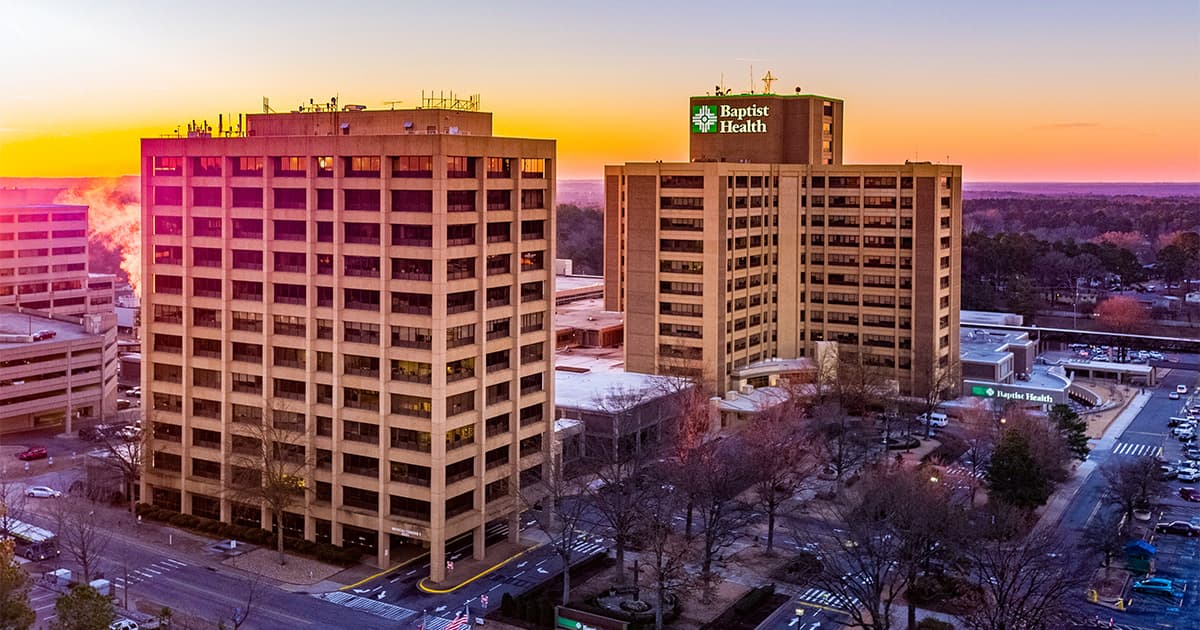
In 5 months, Baptist Health Medical Center - Little Rock reduced their average door-to-puncture time for stroke patients by 58%

Baptist Health Medical Center in Little Rock, Arkansas, is an 843-bed medical center and certified Comprehensive Stroke Center. As the largest private not-for-profit hospital in the state of Arkansas, Baptist Health - Little Rock provides comprehensive services using the latest in innovative technology.
Previously, the stroke team was notified about incoming patients through phone calls and text messages. The operator would use the paging system to activate a code stroke, and then an additional IVR code stroke as needed. Members of the stroke team would receive the page, which contained only the patient’s location, via text or phone call.
Though the system worked on a basic level, Sharon Aureli, RN, BSN, MSN, SCRN, CNOR, RNFA, CNL, and Neuro Program Line Manager at Baptist Health, knew that a more sophisticated communication system could help their teams reduce treatment times. “I always think there’s room for improvement,” she said.
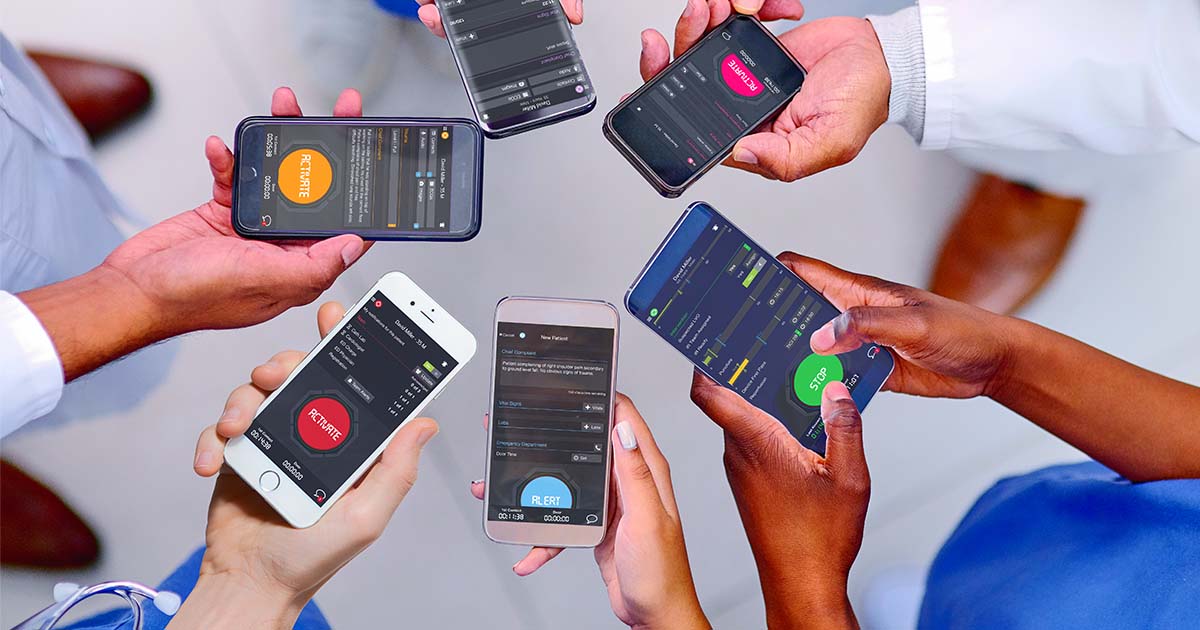
 In response to a statewide initiative to improve treatment times for time-sensitive emergencies, Baptist Health Medical Center - Little Rock adopted Pulsara to improve communication around STEMI cases. When Aureli discovered this, she secured approval to begin using Pulsara to communicate about stroke patients as well, making Baptist Health - Little Rock one of the first hospitals in the state of Arkansas to do so.
Instead of delivering a radio report to the hospital, EMS began using Pulsara to start stroke cases in the field. In five months, Baptist Health's stroke team reduced their average door-to-puncture times by 58%.
Download the case study to learn how Baptist Health Medical Center - Little Rock enhanced their communication with Pulsara and decreased time-to-treatment for their stroke patients.

To learn more about how healthcare organizations are using Pulsara to provide cutting-edge care for patients on a state level, check out the recorded webinar Leveraging Technology In Hazard Response: Advancements And Future Trends.
 Audrey Peart: Sep 30, 2026
September Recap After a light summer, our events schedule is ramping back up for the final months of 2026. With 10 shows under our belt this month...
 Audrey Peart: Jul 30, 2026
July Recap Supporting Medical Response with Connected CommunicationBetween World Cup matches and fan events, fire/EMS, hospital, and emergency...